

February 26, 2026
6 minute read
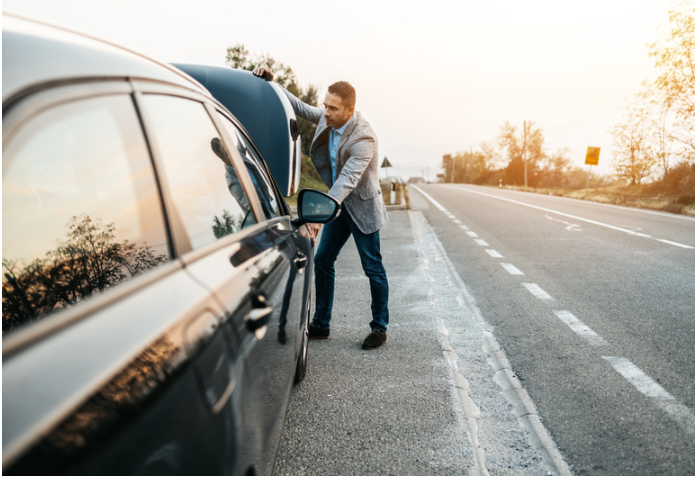
Roadside emergencies like flat tires, dead batteries, and lockouts are not only frustrating experiences for drivers, but can also be make-or-break brand loyalty moments for US auto insurance providers. With emotions high and the need for assistance urgent, these events function as a ‘moment-of-truth’: a positive experience can win brand Promoters, or customers who are likely to recommend your company, and a negative one can create brand Detractors.
Recent NPS Prism data indicates that despite roadside events happening often, insurance providers aren’t fully leveraging the potential of these interactions. Providers looking to strengthen Net Promoter Score (NPS) performance and stand out from competitors can do so by optimizing the right elements of the emergency assistance experience.
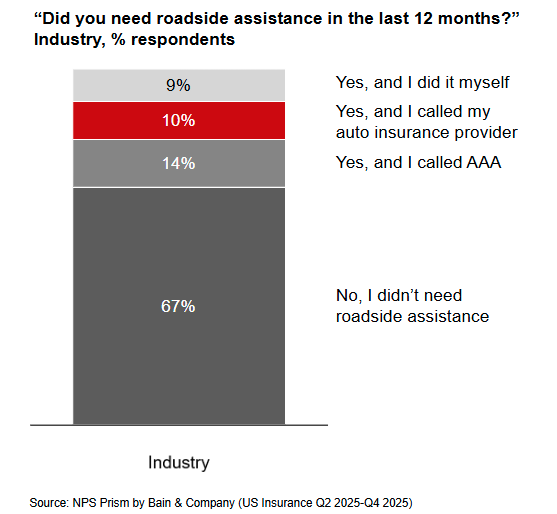
Roadside incidents are not uncommon: Prism data indicates that about one-third of drivers surveyed experienced such an incident in the past year.
Yet, most customers don’t choose to turn to their insurance provider for support during these high-stakes moments. Only 10% of customers surveyed reported contacting their insurance provider during a roadside event, with the rest opting to use a third-party support provider like AAA, or resolve the issue themselves. As a result, many insurance providers miss out on this opportunity to demonstrate their value and reliability to customers.
A strong emergency assistance experience creates brand promoters, driving customer renewals as a result
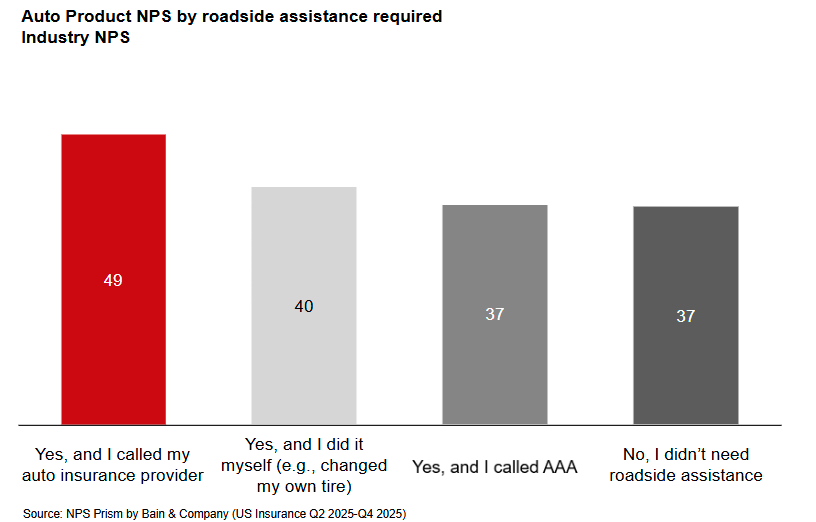
When customers do turn to their insurance provider for emergency assistance, there is a noticeable impact on brand perception. When drivers contact their provider during a roadside event, providers experience a respective NPS uplift of 9 and 12 points compared to when customers handle the situation themselves or contact a third party like AAA.
Furthermore, when customers do request emergency assistance, 63% leave the experience as a brand Promoter and only 11% leave as a Detractor. The experience is more likely to be a brand “win” than it is to negatively impact perception, making it a touchpoint that insurers should own.
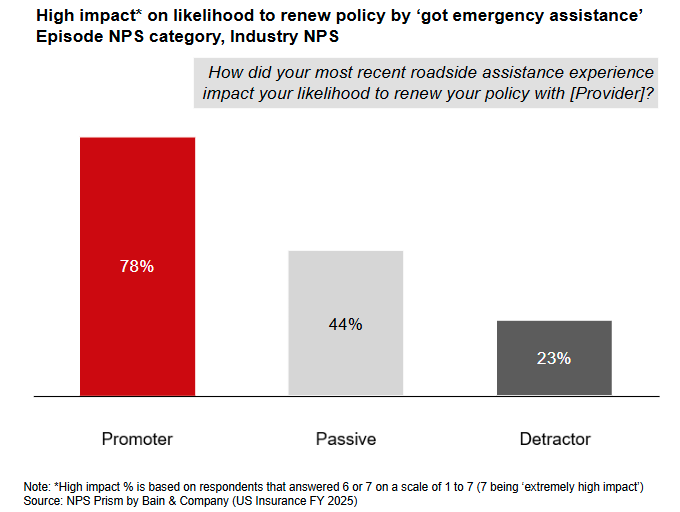
The impact doesn’t stop at sentiment. 78% of respondents who left the “roadside assistance” episode as a brand Promoter say the experience had a high likelihood of influencing their decision to renew their policy, demonstrating the direct impact that getting this episode right can have on customer loyalty and business outcomes.
To drive positive experiences, set expectations up front and make help easy to track
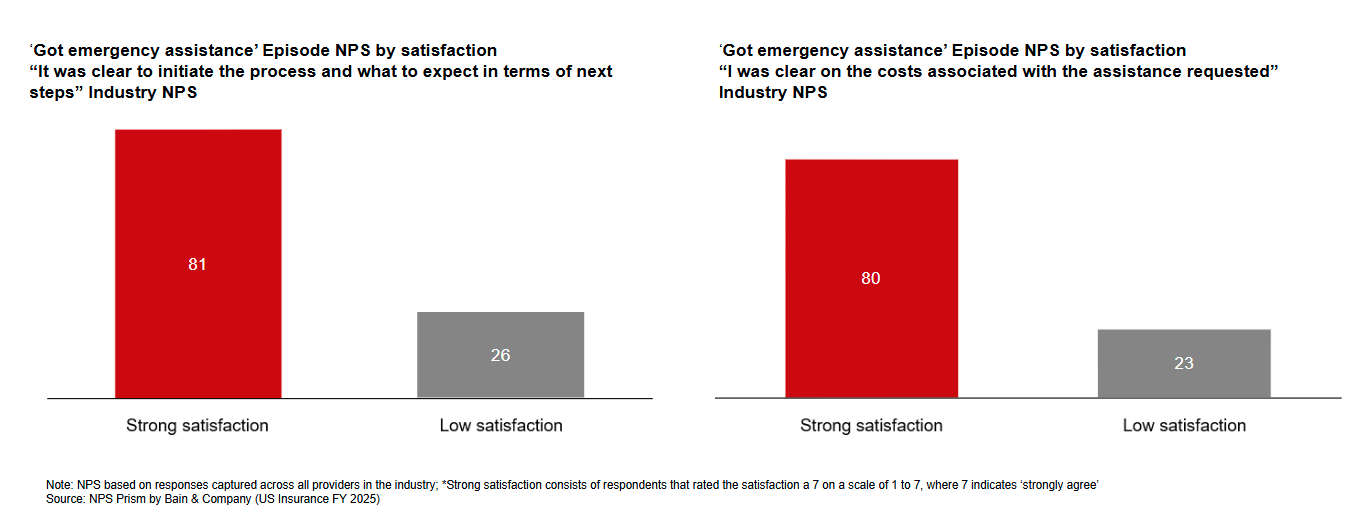
Prism data also sheds light on which moments in the emergency assistance experience matter most in creating brand Promoters:
- When initiating the process: Brands receive a 55- and 57-point episode, or interaction-level, NPS uplift when customers report that the process of requesting assistance was easy to initiate and clear to navigate, and when they are clear on the costs associated.
- When help is on the way: NPS boosts of 55+ are observed when customers agree that it was easy to track assistance, they received proactive status updates on their request, and it was easy to connect with a human if needed.
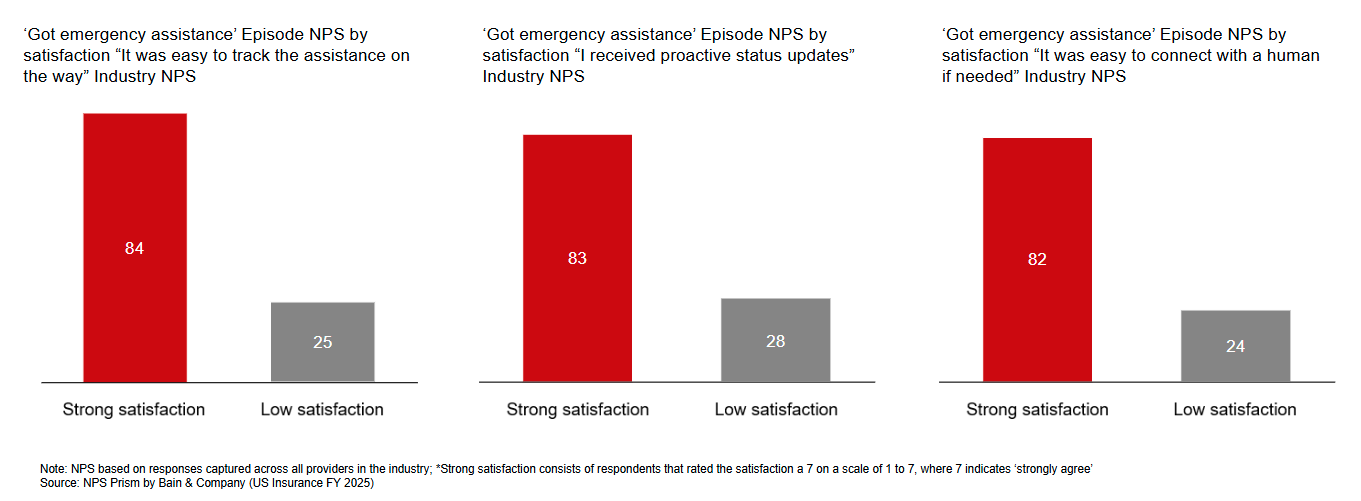
By increasing customer awareness of roadside assistance services, making it simple for customers to request help, and creating a seamless emergency assistance experience, US auto insurers can leverage this service offering to strengthen customer relationships, drive more renewals and set their brand apart in the auto insurance market.
Interested in exploring more drivers of customer loyalty and advocacy?
Schedule a personalized discovery session to explore our platform and gain never-before-seen NPS insights based on thousands of insurance customers, with competitive analyses curated just for your business.